Local search questions involve more than a service word followed by a town name. People also ask about travel, urgent help, particular materials or whether they can bring an appliance to a workshop. Simply exchanging place names misses these distinctions and can produce pages with no additional value.
Begin with enquiries the business actually receives. Record, without personal details, the work sought, its location and any special condition. For a bicycle workshop, cargo bikes, collection and repairs without an appointment may be three different subjects even when every enquiry comes from the same town.
Organize information from everyday work
Separate the customer's location from the location of the service. Someone may live in a neighbouring town but want a bicycle repaired near work. A company customer may manage several premises. Explain what your service area refers to rather than assuming every place name has the same meaning.
Record the language customers use for the task. Technical vocabulary may differ from everyday terms. Do not automatically turn every formulation into a separate page title. First establish whether several versions express the same question.
Staff follow-up questions provide another source. If they repeatedly ask about an appliance type, stairs at the site or a required date, the website may be missing an explanation. That observation identifies a concrete content need without requiring a large new set of pages.
Compare research with the actual offer
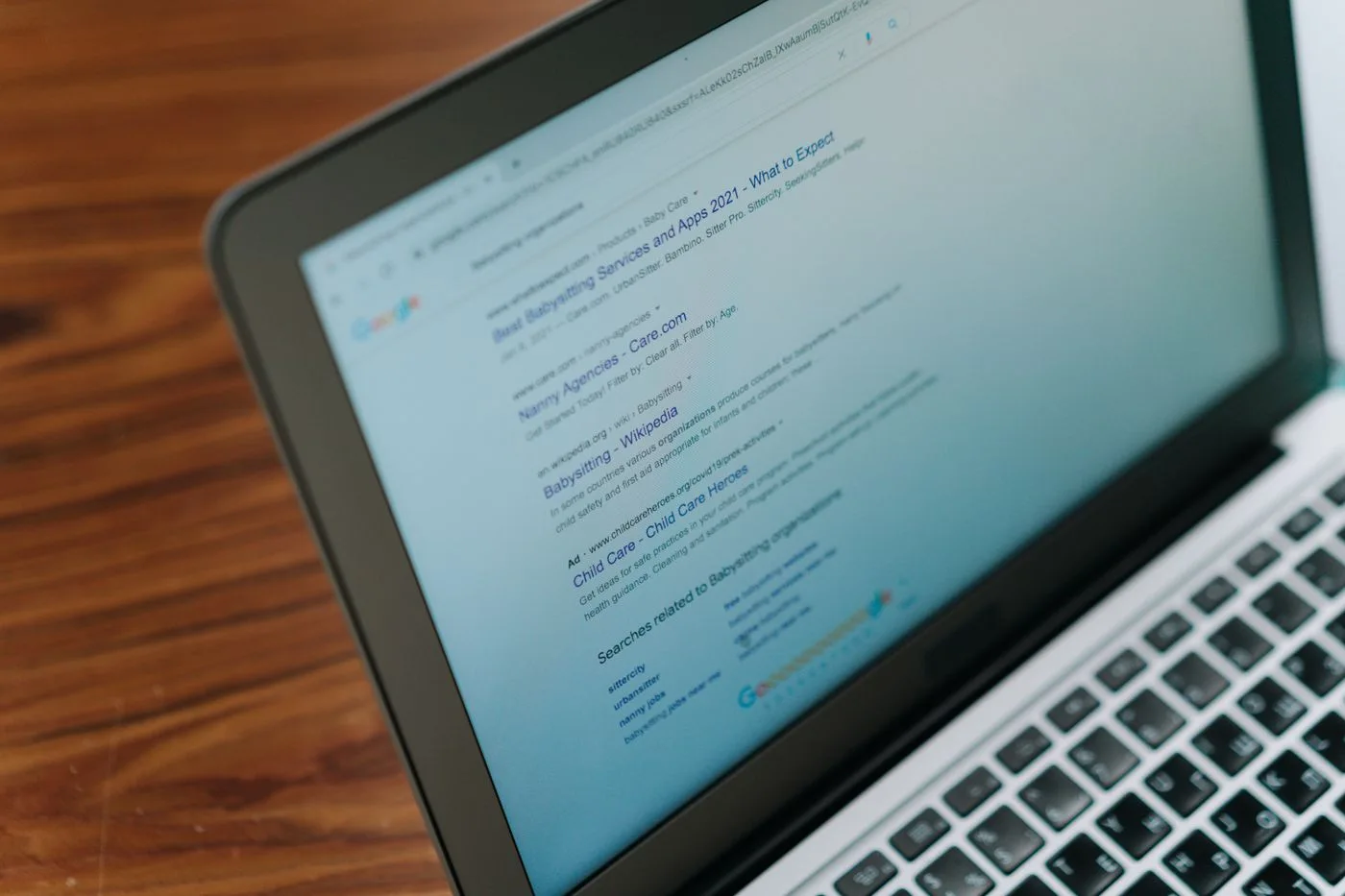
Current search results can show which kinds of information are presented for a local question. Treat that view as a snapshot. It is neither a complete demand study nor evidence that a particular structure works everywhere.
Check every topic against the real service. Is the work actually available in that location? Are there meaningful local details to explain? A page about a place the business does not serve creates inaccurate expectations even if the service-and-town combination appears popular.
Keep unsuitable enquiries as evidence of possible confusion without redefining them as your target audience. If people often seek emergency assistance but the business provides no emergency service, a clear statement of normal availability can help. It does not justify a page implying an emergency offer.
Turn the collection into useful content
Assign questions to existing pages first. Collection arrangements may belong on a service or contact page. A substantial explanation of preparation for an on-site visit may merit a separate article. The answer's scope determines its format, not the number of wording variations collected.
Location pages need genuine additional context, such as a served premises with its own access information or a distinct process in an area. Avoid series where only the town name and a few synonyms change. Visitors need an answer to their situation, not interchangeable place headings.
Finally, record the observation behind each question and who can answer it accurately. That keeps planning traceable. When coverage or services change, the record helps identify affected pages and statements that no longer apply.