A service page should help someone make a decision. A person who has not used a small business before needs to establish whether its offer fits the job. A broad claim about quality rarely answers that question. Specific information about the work, its limits and the next step is more useful.
Consider a fictional joinery business that makes fitted wardrobes for rooms with sloping ceilings. Its page does not need to tell the history of furniture making. It needs to explain which spaces suit the service, how measuring works and what information is needed for an initial assessment.
Start with the customer's project
Name the service in language a prospective customer would use: “Fitted wardrobes for sloping ceilings” rather than “Individual spatial visions”. Use the opening paragraph to establish the scope. Does the business work within a particular area? Does it handle design and installation, or manufacture only? Put these distinctions near the start.
Then describe two or three situations the service can address. For the joiner, these might include unused space beneath an eave, insufficient bedroom storage and a recess with unusual dimensions. These examples explain the service. They should not imply that the business has completed specific customer projects unless that is true.
Make scope and limits visible
A list of services helps when each entry describes actual work. “Consultation, measuring, design, manufacture and installation” is easier to assess than “a complete solution”. Include only the stages the business provides, and identify anything that needs a separate agreement.
Exclusions can also improve an enquiry. If electrical work is outside the contract, the page should not suggest that it includes a complete room conversion. Boundaries are particularly useful when customers compare similar offers from different trades. They prevent basic misunderstandings from appearing only when a quotation arrives.
Show a relevant example
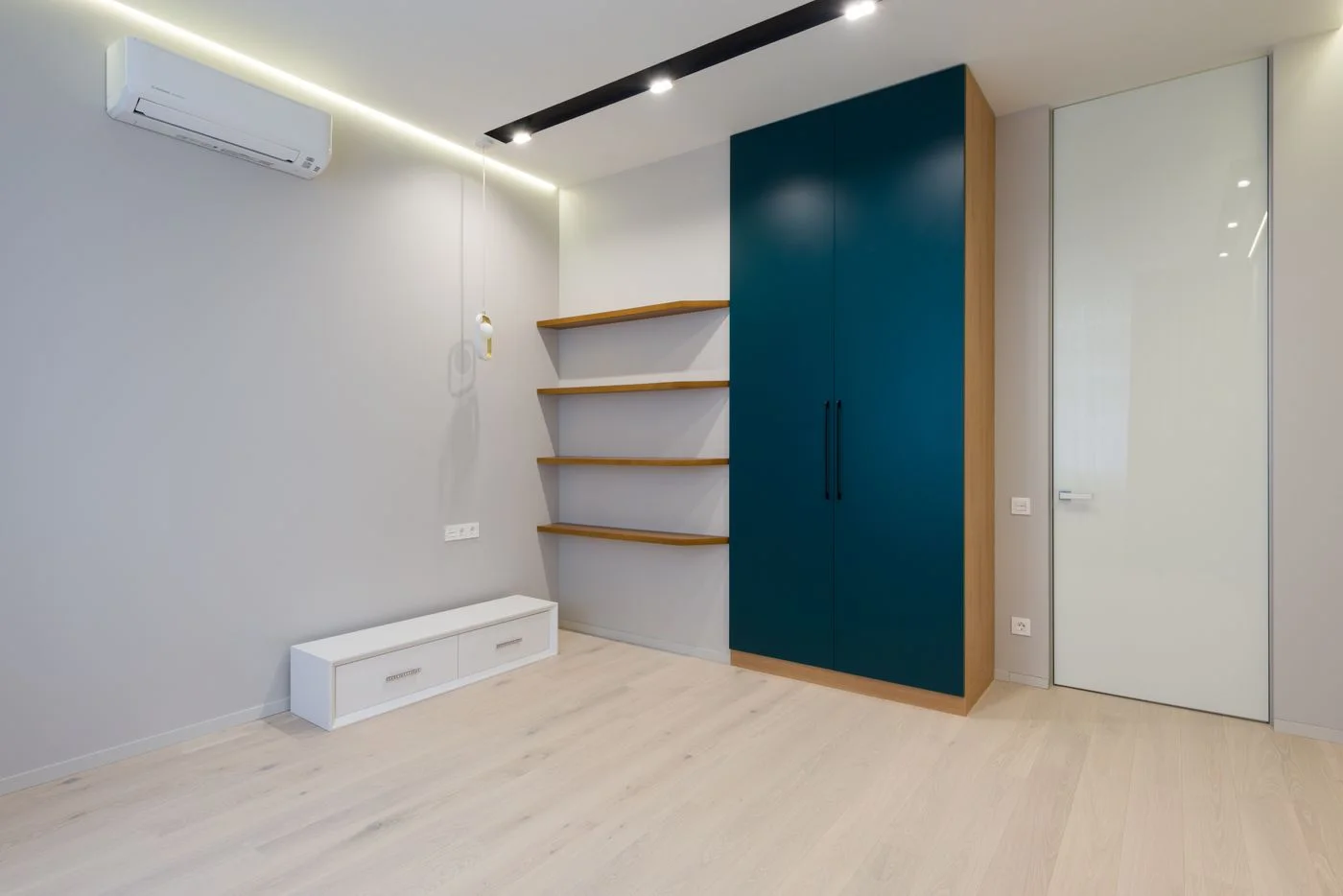
Choose an image that makes the described work recognizable. A general photograph of a meeting does not explain a fitted wardrobe. For an actual project photograph, a short caption can identify the room, material and particular requirement. Publish only images and details you have permission to use.
If there are no photographs of completed projects, do not present a stock image as a reference job. Make its illustrative purpose clear wherever visitors might otherwise misunderstand it. The page should still explain the service without relying on the photograph.
Explain the route to a quotation
Distinguish an initial assessment from a firm quotation. Approximate dimensions, a location and a photograph of the room might be enough for the first conversation. A reliable price may require a site measurement and a choice of materials. Explain the difference instead of quoting a flat price that applies to very few jobs.
Describe what happens after someone enquires. Is there an initial telephone conversation to establish whether the project fits? Does an appointment follow? Do not promise a response deadline the business cannot consistently meet. A clear sequence is more useful than an unsupported commitment.
Review the page before publishing
Read the draft as someone unfamiliar with the business. Can that person explain the service in one sentence? Can they identify the service area, the scope and the details they need to provide? Does the contact button lead to a working route?
Check the page on a phone as well. An important limitation should not exist only in a clipped table. Google's guidance on helpful content emphasizes the usefulness of a page to its visitors. For this service page, that means answering specific questions before adding more keywords or decorative sections.