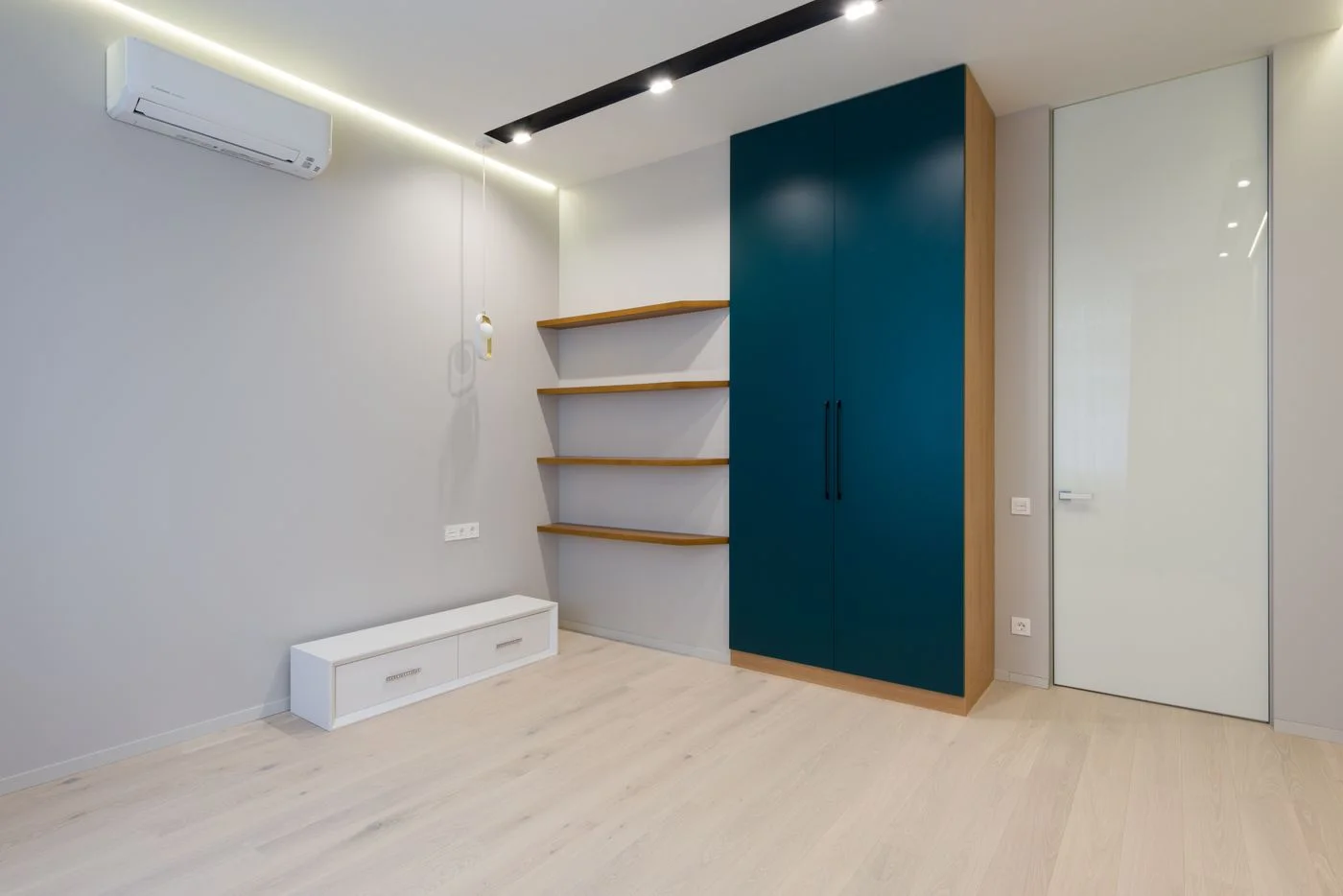
A before-and-after comparison can communicate a change quickly. It can also mislead when lighting, viewing angle or editing changes more than the work itself. Plan the initial photograph with the later comparison in mind.
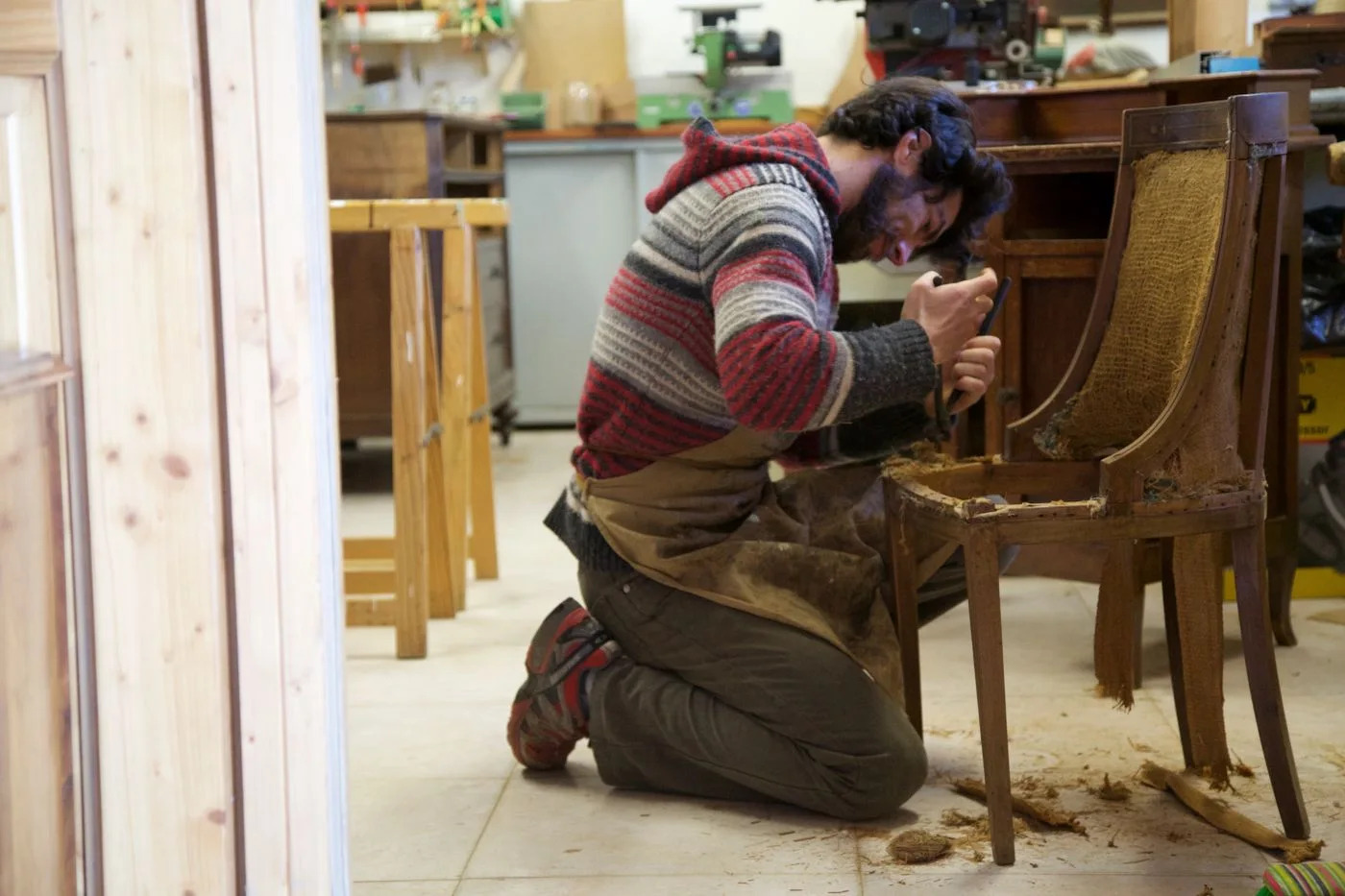
For restored furniture, both photographs should show the same object from a reasonably similar perspective. A dark, blurred “before” image beside a brightly lit detail shot makes the extent of the change difficult to judge. The pictures need not be technically identical, but they should allow a fair comparison.
Explain what actually changed
Describe the work beside the photographs. Was the surface cleaned, sanded, repaired or completely replaced? The finished appearance alone does not reveal those differences. Identify a substantial contribution by another business when necessary to represent your role accurately.
Make only claims the images can support. A smooth-looking surface does not establish a particular service life. A tidy workplace does not demonstrate a measured productivity improvement. If such outcomes were assessed separately, they need their own context rather than being inferred from the photograph.
Image editing should not remove defects that remain in the actual object. Cropping and exposure adjustments can improve presentation without changing its meaning, but they must not misrepresent the work. A design rendering should be labelled as a rendering rather than presented as a completed customer project.
A slider is optional
Two clearly labelled images, placed beside or beneath each other, are often sufficient. An interactive comparison slider is useful only when it remains operable on small screens and through different input methods. Keep the essential explanation available as text.
Check the order and captions carefully. “Before” and “After” identify states but do not explain the period or stage of work. A short addition such as “Before surface treatment” prevents confusion about what the comparison represents. If other changes occurred between photographs, mention the ones that affect interpretation.
Obtain the permissions needed for photographs and project details, and inspect backgrounds for private information. If no suitable earlier photograph exists, do not invent one. Describe the starting condition in words and show the actual result. An incomplete but accurate comparison communicates more than a reconstructed story that cannot substantiate the work.
Before publication, ask somebody unfamiliar with the project to describe what they think changed. If they attribute unrelated improvements to your service, adjust the captions or image selection. The comparison should clarify the intervention rather than allow the most flattering possible interpretation.