“Serving the local area” leaves people guessing which places are actually covered. A concrete description helps both the visitor and the business. People beyond the normal working area can decide whether an enquiry is worthwhile, while staff spend less time answering basic coverage questions.
Begin with how the service operates. Some work happens at a fixed location, some at the customer's premises and some entirely remotely. Do not merge these arrangements on the website. Offering remote consultations nationwide does not necessarily mean that installation is available nationwide too.
Describe boundaries people can understand
Name the places regularly served or define a recognizable geographical area. A distance can add detail, but it needs a starting point. “Approximately 30 kilometres from our workshop in this town” is more useful than an unexplained “30-kilometre radius”. The wording must reflect the real operation.
A radius is not always the best representation. Transport connections, access restrictions or separate teams may mean that some places outside a circle are regularly served while others inside it require discussion. Explain these exceptions in words rather than treating a precise-looking map as an unconditional commitment.
If travel charges matter, explain when they apply and how they appear in a quotation. Do not invent a flat charge when distance or job type determines the amount. Stating that travel will be discussed is more useful than making an inaccurate general promise.
Give out-of-area visitors a clear answer
Decide whether enquiries from beyond the normal area are excluded or considered according to the project. A larger installation may justify a longer journey while small maintenance appointments remain local. Briefly explaining that distinction prevents misunderstandings on both sides.
The enquiry form can request a town or postcode for this assessment. A complete private address is often unnecessary at the initial coverage stage. If the form automatically rejects locations, its rules need to reflect any exceptions described on the page.
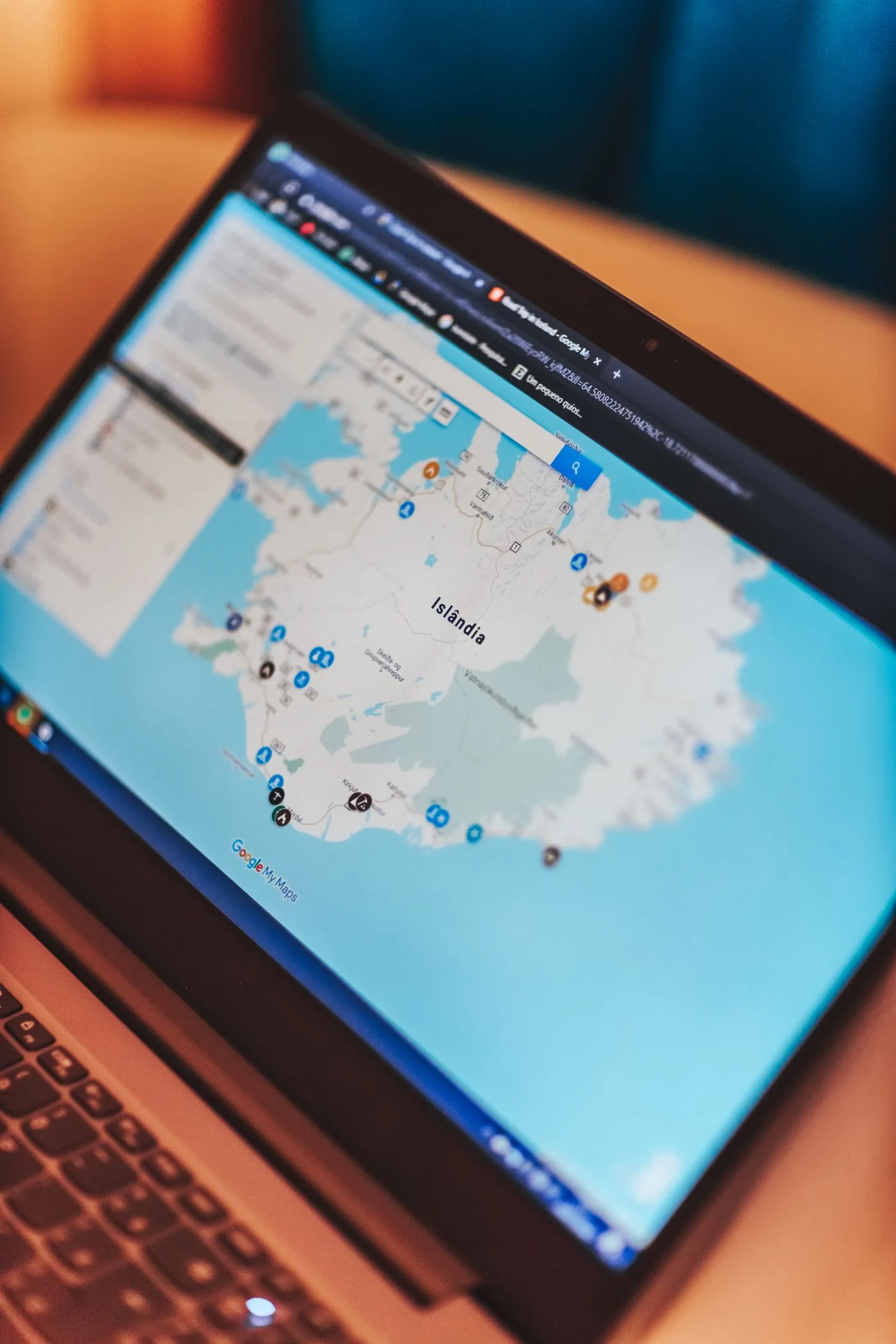
A map can support the explanation, particularly when the boundary follows several neighbouring districts. Keep the written description available as well. Visitors should not have to infer coverage from an image or open a third-party map simply to understand whether their town is included.
Finally, compare the details on service pages, the contact page and external business profiles. Differences may be valid when they concern different services, but they need explanation. Coverage information is an operational record rather than permanent decoration. When staffing, premises or travel arrangements change, somebody needs to know which published details require an update.