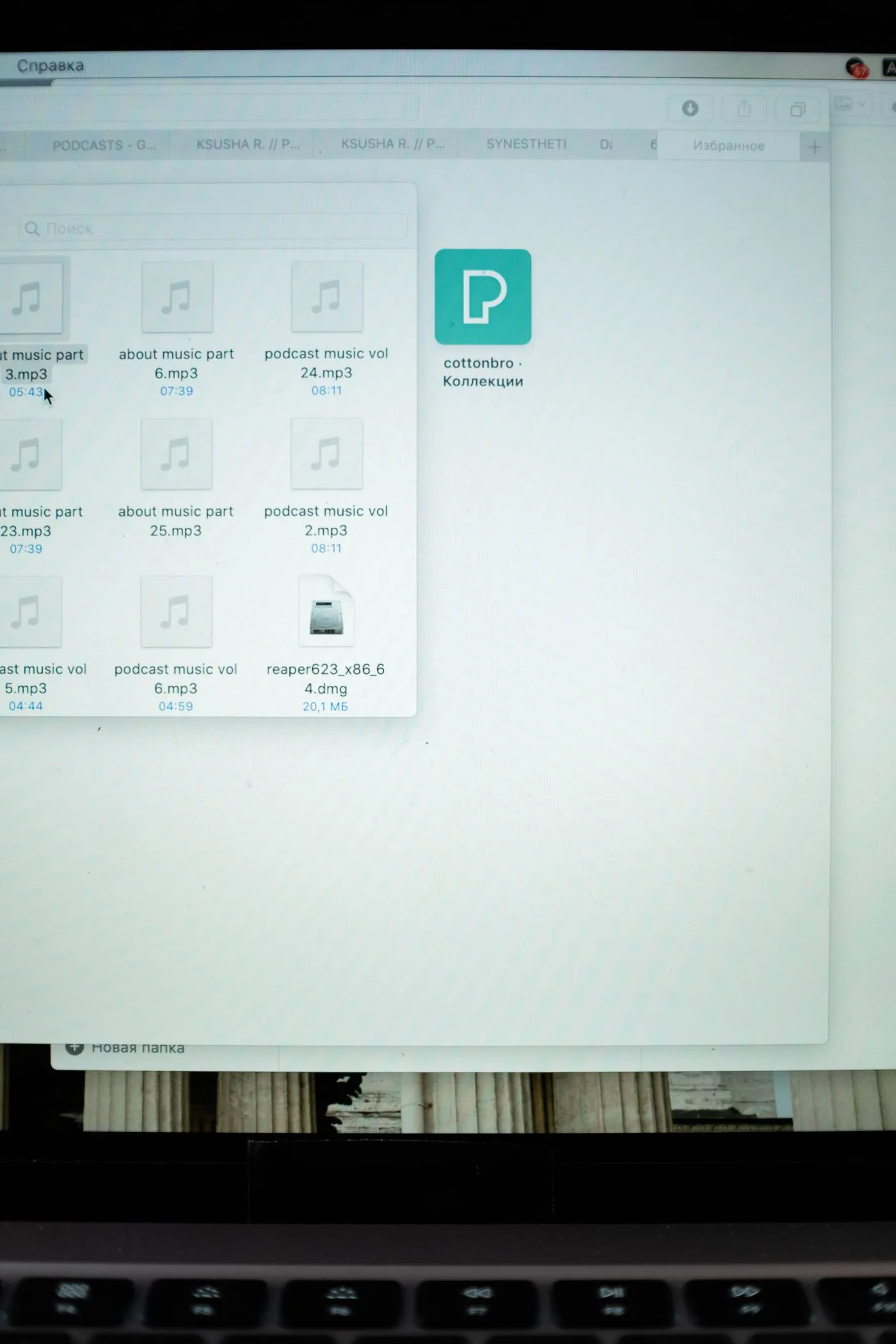
“Image-new-final2” works only while someone remembers how the file was created. Once several people collaborate or a few months pass, the context disappears. A useful naming rule includes the small amount of information needed to find and distinguish files.
Begin with the subject, adding format or version where needed. A name such as workshop-shelf-landscape-v03.jpg explains more than IMG_4821-final.jpg. For dated reports, a consistent year-month-day sequence can help sorting. Keep the same order within a project.
Separate version from approval
A higher version number does not automatically mean approval. Identify the authoritative version in a clearly named location or shared record. A draft should not be treated as published merely because someone inserted “final” into its name.
Keep editable originals distinguishable from publication exports. A reduced website graphic is not a replacement for the source file needed for later changes. At the same time, every intermediate version need not remain in the active working folder. Archive them according to an understandable rule.
Keep names short and factual
Avoid personal customer information and confidential details in filenames. Files are often sent as attachments or exposed through links. The name should identify the material without revealing an unnecessary part of a customer record.
Use simple, consistent characters and test names through the actual workflow. Systems can handle special characters or very long paths differently. A short rule everyone follows is more useful than a complicated convention full of exceptions.
Respect existing references
Do not casually rename published files. Website links, templates or documents may depend on their existing paths. Before renaming, check where the file is used and update affected references deliberately.
Test the convention with real tasks: can a colleague find the approved image, distinguish two language versions and identify the editable source? If those questions are easy to answer, the naming system is doing its job. It does not need to encode every possible detail about the file.